
Intensive Outpatient Program (IOP) near Kingwood, TX
Real Treatment Without Putting Your Life on Hold
Outpatient Treatment with the Structure You Need
Where: Our Houston Campus
Who: Adults balancing work, family, and recovery
How: Structured therapy while you continue living at home
IOP near Kingwood TX gives you consistent, scheduled treatment without moving out of your home or setting your responsibilities aside. You attend sessions in Houston, then return to the people and commitments that depend on you.
It’s a strong fit if you need more support than weekly counseling but can’t press pause on everything for residential care. You can learn how our Intensive Outpatient Program (IOP) is structured, or talk with our admissions team about whether it suits your situation.
Recovery and real life don’t have to compete for your time. Call us today and find out whether IOP fits the season you’re in right now.


Signs IOP Could Be the Right Level of Care
IOP works best for people who are ready for focused treatment and have a stable enough home life to return to each day. Your assessment helps confirm it, but a few patterns tend to point in this direction.
IOP may be a good fit if you:
- Have finished Residential Treatment or PHP and want continued support
- Need to keep working, studying, or caring for family during treatment
- Live somewhere safe and substance-free, or plan to
- Have tried cutting back without lasting success
- Are managing anxiety or depression and could benefit from dual diagnosis care
- Feel ready to practice new coping skills in real-life situations
If you need closer daily support, our Partial Hospitalization Program (PHP) offers full days of treatment while you still sleep at home.
Choosing between programs isn’t something you have to do alone. Share where you are, and our team will recommend the option that fits.
What a Week in Intensive Outpatient Treatment Looks Like
Most people attend three to five weekdays, with sessions of about two to three hours each and evening options for anyone working during the day. Weekends stay open for family, rest, and life outside treatment. A sample week might look something like this:
Day | Session Focus | Time Commitment |
Monday | Group therapy to check in and set goals for the week | About 2–3 hours, evening option |
Tuesday | Skills-based session on coping with cravings and stress | About 2–3 hours, evening option |
Wednesday | Group therapy, plus one-on-one counseling as needed | About 2–3 hours, evening option |
Thursday | Relapse prevention and recovery planning | About 2–3 hours, evening option |
Friday | Group therapy to review progress before the weekend | About 2–3 hours, evening option |
Saturda-Sunday | Time at home to practice what you’ve learned | No scheduled sessions |
This table is an example only. Your actual days and times are set during intake based on your needs and availability. A schedule you can count on makes recovery easier to stick with.
Schedule a confidential callback to ask what’s available right now.
Worried About Your Job? FMLA May Help
Taking care of your health shouldn’t cost you your livelihood. Under the Family and Medical Leave Act (FMLA), eligible employees may be able to take job-protected leave for treatment, including time off in smaller blocks that fit around an outpatient schedule. Our team can explain the process and help you understand the paperwork involved.
Get answers about FMLA before you talk to your employer.
The Drive from Kingwood to Outpatient Care
Taylor Recovery’s Houston campus is about 25 miles from Kingwood, a straight shot south on US-59/I-69. For many people, that drive fits naturally at the end of a workday.
Searches for outpatient addiction treatment Kingwood TX often turn up programs that sound flexible but are hard to reach on a regular basis. A single, direct route makes it easier to show up weekly, and steady attendance is a big part of what makes outpatient care work.
Your admissions team can help you choose session days that fit your traffic, work, and family commitments.
The right schedule and an easy route make consistency feel doable. Call us now to talk with our team about building your sessions around your commute.
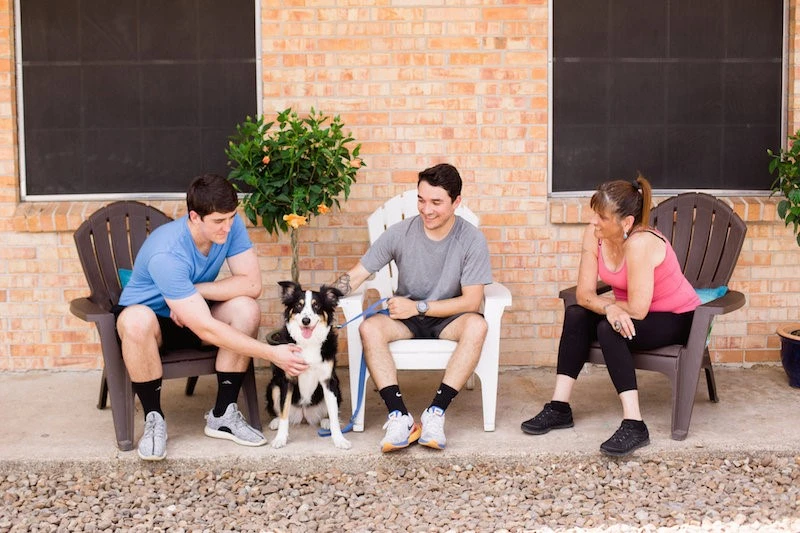
Moving from Intensive Care to Outpatient Support
Leaving Residential Treatment or a Partial Hospitalization Program (PHP) can feel like a big jump. Outpatient care fills the gap between full-time structure and complete independence. That middle step gives you four things to lean on:

Real-World Practice
Coping skills are easier to trust once you’ve used them outside a treatment setting. Facing real stressors between sessions lets you work through what happened with your team right away.
More Independence
You start taking back everyday responsibilities, like work and time with family, at a pace you can manage. Each week adds a little more freedom without removing your support.
Ongoing Therapy
Regular group and individual sessions keep the progress you’ve made from slipping away. You stay connected to clinicians who already know your goals.
A Stable Place to Live
Where you sleep at night matters during this stage. Sober Living gives you a structured, substance-free home base while you attend sessions.
Each step down is a sign of progress, not the end of support. Schedule an assessment, and our team will help you plan the right next step after residential care or PHP.
Your IOP Checklist: What to Know First
Can I keep my job during IOP?
In most cases, yes. Sessions are scheduled so you can keep a regular work routine, and evening options make it easier to attend without missing shifts. If you need time away, your admissions team can talk with you about your options.
How many hours per week is IOP?
That depends on your treatment plan and how you progress. The sample week above shows a typical commitment, and your exact hours are set during intake.
Who qualifies for IOP?
Outpatient care is usually a good fit for people who are medically stable, have a safe place to live and can attend sessions reliably. A short assessment with our team confirms whether outpatient treatment makes sense for you.
Is IOP enough for me?
For many people, it provides the right balance of structure and independence. Anyone dealing with severe withdrawal, serious medical concerns or safety risks may need more support first. Your care can also step up to a more intensive level if your needs change.
What happens when IOP ends?
Support continues after outpatient treatment ends. Our Aftercare Planning helps you build a long-term plan for staying well, and you can explore our other programs available to you if you need more support down the road.
Recovery That Works Around the Life You’ve Built
You’ve been holding a lot together, from deadlines to school runs to everything in between. Getting help shouldn’t mean dropping any of it, and with outpatient care, it doesn’t have to.
Tell us a little bit about your schedule and what you’re dealing with, and we’ll find an option that fits around your week.